PART V – WHAT CAN CHANGE?
Question 20
The Nirvana test: what future could humans actually maintain?
Imagine that tomorrow we somehow inherited a peaceful, equal and ecologically stable society. No extreme poverty. No war. No entrenched ruling class. Institutions work. People are free.
How long before we started breaking it?
A good society would not have to defeat human nature once. It would have to keep managing it.
Status differences would reappear. Parents would try to advantage their children. Ambitious people would seek wealth and influence. Groups would form around beliefs, identities and competing visions of the good life.
Then come the harder tests: scarcity, migration, epidemics, war, technological disruption, or another society willing to exploit our restraint.
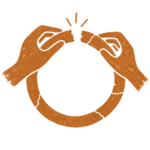
The real test of a system is not whether it can create cooperation, but whether it can keep repairing it.
Too much central power risks tyranny. Too little may leave collective problems unsolved.
Too much equality may suppress autonomy or innovation; too little may allow wealth and power to compound again.
So the final question for Beyond Tribes is NOT:
What would a perfect world look like?
It is:
What is the most cooperative, free, fair and sustainable world that humans like us could actually keep?
The questions we want to explore
- Which forms of inequality would begin reappearing first?
- How do we stop public power from becoming a new ruling class?
- What must be governed globally, and what must remain local?
- Can cooperation survive scarcity, shocks and hostile competitors?
- How do we preserve ambition and innovation without runaway accumulation?
- Which compromises between freedom, equality, security and sustainability are unavoidable?

Perhaps there is no final political destination, only institutions good enough to recognise predictable failure and correct course before it becomes irreversible.