PART III – TRIBES BECOME POLITICAL SYSTEMS
Question 11
Strongmen, institutions and destructive cascades
Political systems are built from rules, offices and institutions. But under some conditions, power begins to gather around a person instead.
How does a leader become harder to constrain than the system around them?
No strongman rules alone.
Courts, legislatures, civil servants, businesses, media organisations, security forces and political allies all make choices about whether to resist, accommodate or cooperate.
Those choices can accumulate.
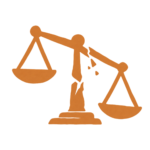
Power often grows through a cascade of small concessions.
A leader attacks one institution. Allies excuse it. Opponents hesitate. Officials decide that compliance is safer than resistance. Supporters are rewarded. Critics are isolated. What once seemed exceptional begins to feel normal.
At the same time, politics can become increasingly personal.
Loyalty to institutions is replaced by loyalty to the leader. Opponents become enemies. Public offices become instruments of patronage or punishment. Shared standards of evidence weaken as propaganda and fear make independent judgment more costly.
Not every attempt succeeds.
Some institutions bend and recover. Others fracture. The difference may depend on constitutional design, professional norms, elite behaviour, public resistance and how early the process is recognised.
This creates another central question for Beyond Tribes:
What makes a political system resilient enough to stop destructive leadership before temporary advantage becomes self-reinforcing power?
The questions we want to explore
- Why do political and economic elites sometimes cooperate with leaders they privately distrust?
- How does loyalty to a person begin to replace loyalty to institutions and rules?
- Which attacks on courts, media, legislatures and civil service are reversible — and which create lasting capture?
- Why can scapegoating and enemy construction make concentrated power more acceptable?
- At what point does resistance become much harder because fear, patronage or coercion have already changed the incentives?
- What allows some democracies to absorb authoritarian pressure while others enter a destructive cascade?
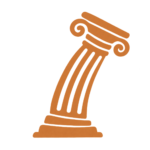
A strongman does not become powerful in a single moment. Power accumulates when enough people decide, one step at a time, that this particular compromise is still tolerable.